What the EU Battery Passport Means for Your Devices
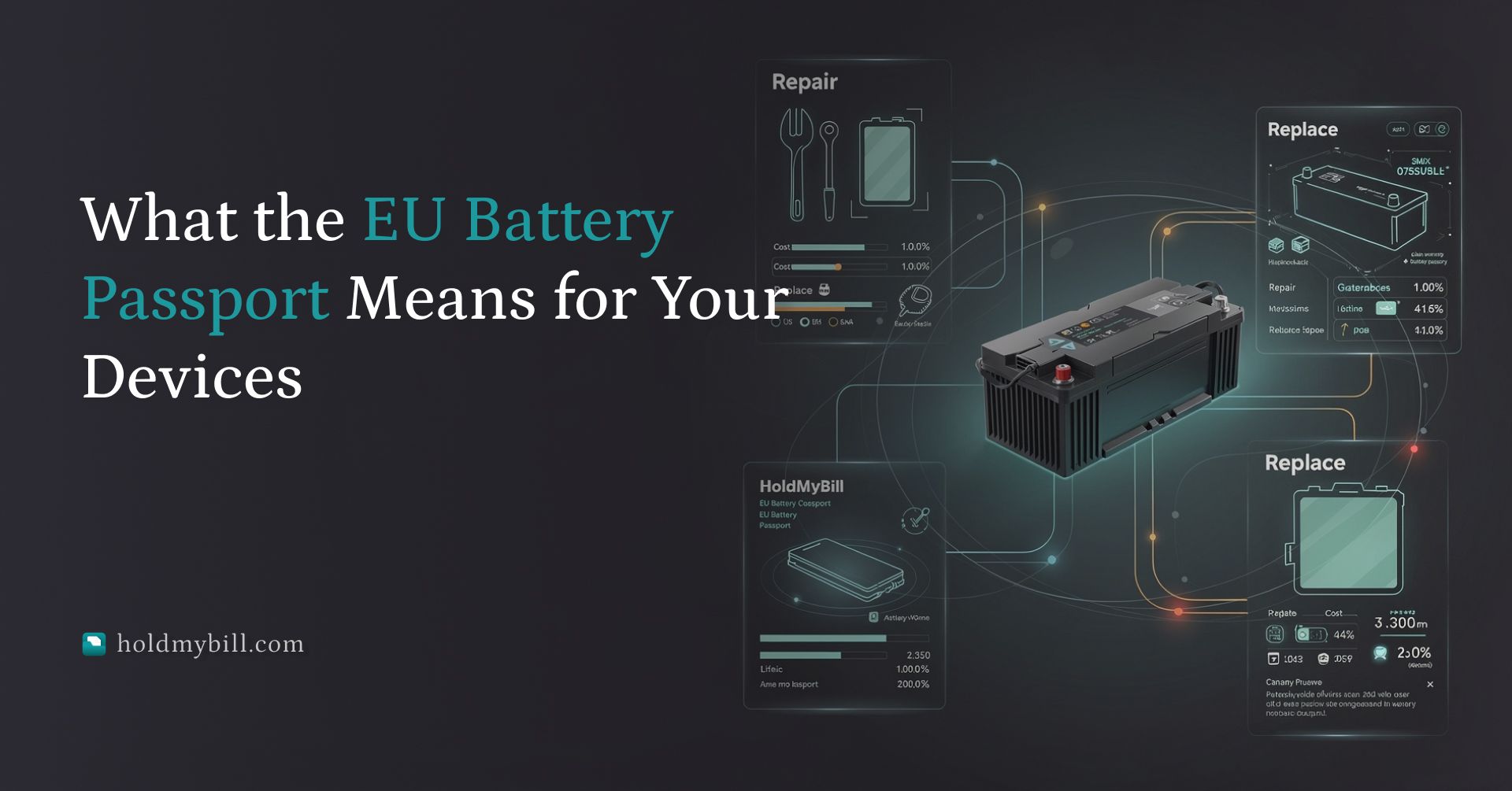
The European Union is rolling out a new system that will change how you buy, use, and recycle batteries. Starting in February 2027, electric vehicles and batteries with capacity above 2kWh sold in the EU must come with a digital battery passport. This includes electric cars, e-bikes, and large laptop batteries. Smartphones and smaller devices are not covered by the passport requirement, though many manufacturers are adding battery health information voluntarily. If you are a European consumer who cares about product longevity or getting the most value from your purchases, this guide explains what the regulation means for you.
This guide breaks down everything you need to know about the EU Battery Passport regulation, what it means for the products you already own, and how to use this information to extend the life of your devices.
Why the EU Created Battery Passports
Batteries are at the center of the European Green Deal. The EU wants to create a circular economy for battery materials, reduce dependency on imported raw materials, and ensure batteries are recycled properly at the end of their life. The problem is that consumers have never had real visibility into what is inside the batteries they buy. Most people do not know who mined the raw materials, how the battery was manufactured, or whether it meets environmental and labor standards. The Battery Passport solves this by creating a digital record that follows each battery throughout its entire lifecycle. Think of it like a vehicle V5 logbook but for energy storage. Every battery will have a unique identifier linked to data about its origin, composition, carbon footprint, and repair history.
This regulation applies to all batteries with a capacity above 2kWh or those used in electric vehicles. By 2027, you will scan a QR code on your device to access this passport and see the full history of the battery inside.
What Information You Will Find in a Battery Passport
The passport will contain several key data points that matter for both product longevity and environmental impact. Here is what you can expect to see when the system launches. Carbon footprint data shows the total greenhouse gas emissions from raw material extraction through manufacturing and transport. This lets you compare similar products based on their actual environmental impact rather than marketing claims. If you are trying to reduce your personal carbon footprint, this data gives you a concrete way to make informed choices.
Origin and supply chain information reveals where the raw materials came from, including cobalt, lithium, nickel, and other critical minerals. You will be able to see whether materials were sourced ethically and whether mining communities received fair treatment. This matters to consumers who want to support responsible supply chains.
Composition and recyclability data shows exactly what materials are in the battery and what percentage can be recovered through recycling. As recycling infrastructure improves, this information will help you understand the end-of-life value and whether the battery was designed for circular recovery.
Performance and degradation curves track how the battery has performed over time. If you buy a second-hand device, you can verify the actual health of the battery rather than trusting seller claims. This is particularly valuable for electric vehicle buyers and anyone purchasing used electronics.
Repair and servicing history will record every time the battery was serviced, replaced, or repaired. This creates a verifiable record that can validate warranty claims and help you understand whether a device has been properly maintained.
How Battery Passports Benefit Consumers
The most immediate benefit is better information at the point of purchase. When you are comparing two electric vehicles or large battery systems, you will be able to see beyond the marketing specs and understand the real value proposition. A battery with a lower carbon footprint and better recyclability may cost more upfront but save money and environmental impact over the product lifecycle. For second-hand buyers, battery passports address a major pain point. Used car markets are notoriously difficult to navigate, with sellers often overstating battery health. The passport provides independent verification that you can trust. Similarly, if you are buying a refurbished e-bike or large laptop, you can check the battery health history rather than relying on the seller word. The passport also supports your right to repair. By tracking every repair and servicing event, you have documentation that proves a device has been properly maintained. This matters when making warranty claims or selling your device later. If a seller can show a complete service history through the passport, your device retains more value.
Finally, battery passports create incentives for manufacturers to build longer-lasting products. When consumers can see carbon footprint and recyclability data, manufacturers have a business reason to improve these metrics. Products designed for easy repair and material recovery will command premium prices in the marketplace.
How to Use Battery Passports Starting in 2027
Once the system is live, you will access battery passports through a QR code printed on the device or its packaging. Scanning this code with your smartphone will take you to a database entry with all the relevant information. The EU is requiring this to be free and publicly accessible. Before you buy any battery-powered device covered by the regulation, take a moment to scan and check. Compare the carbon footprint data across similar products. If you are choosing between two electric vehicles, the one with the lower footprint may cost more initially but reflects better manufacturing practices. When buying used, always ask to scan the battery passport. For electric vehicles, this should be standard due diligence, like checking a vehicle history report. For large battery systems like e-bikes, you may need to request access, but sellers should be prepared to provide it. Keep your own records as well. If you have servicing done on your devices, ensure the service provider logs the work in the battery passport system. This creates a continuous record that adds value when you eventually sell or recycle the device.
What This Means for Products You Already Own
The regulation applies from February 2027, so batteries manufactured before this date are not covered unless they are placed on the EU market after that date. If you already own devices, their batteries will not have passports unless you replace the battery with a new one that meets the 2027 standards. However, you can still prepare. Start thinking about battery health as a key factor in device longevity. Replace batteries only with certified parts that come with proper documentation. When you upgrade, choose devices from manufacturers committed to the passport system. Several major manufacturers are already on board. Apple, Samsung, and Tesla have been participating in the pilot programs, and their new products will be passport-ready from launch.
Looking Ahead to DPP and Digital Product Passports
Battery passports are just the beginning. The EU is developing a broader Digital Product Passport system that will cover more product categories, from clothing to furniture to electronics. The battery passport serves as a template for how these broader systems will work. As a consumer, you will eventually be able to scan any product and see its full lifecycle data. This represents a fundamental shift in how we shop and consume. Instead of relying on marketing claims, you will have verifiable data at your fingertips. For now, focus on understanding battery passports and using them to make better purchasing decisions. This is a practical step you can take starting in 2027 that will directly impact product longevity and value.
Making Smart Decisions About Battery-Powered Products
The EU Battery Passport gives you tools to be a smarter consumer. Here is how to apply this knowledge. When buying new, factor battery passport data into your decision. A device with comprehensive passport information shows the manufacturer has nothing to hide and is committed to transparency. This typically correlates with better overall quality and longer product support. When buying used, always verify battery health through the passport. This is especially important for high-value items like electric vehicles and e-bikes. The cost of a battery replacement often makes up most of the price difference between a healthy and degraded unit. Prioritize repairability. Devices designed for easy battery replacement will have better long-term value. Look for modular designs from companies like Fairphone, which explicitly design for longevity and easy servicing. As the right-to-repair movement grows, these companies are leading the way. Track your own batteries. Keep records of charging cycles, temperature exposure, and any servicing. While the passport system is being built, maintaining your own documentation adds value and helps troubleshoot problems.